

Running.
It is an activity that people either love or hate, but nearly everyone has engaged in it at some point of their lives.
Ever since Homo sapiens emerged from Africa 250,000 years ago, we have been running.

Whether it is running after a woolly mammoth (for food), or running away from a sabretooth tiger (to avoid becoming food), it is undeniable that running is in our DNA.
In fact, running has become a global phenomenon today.
Many do it for a sense of accomplishment, and as a means to enhance their health and fitness. For some, it is a social activity that fosters stronger bonds with friends.
However, running does have its risk.
According to global statistics, “cardiac arrest” ranks as the number one cause of death among marathon runners.

But if running has been scientifically proven to enhance heart health through exercise, why are these incidents happening?
The answer lies in the genetic makeup of our heart, and to properly explain it, let us use the analogy of a car engine.
Is Heart Health Genetic?
Our heart pumps blood throughout our body, supplying oxygen as an energy source for our muscles to function.
A large part of it is. Up to 80 per cent of athletic potential is genetic, including how your heart handles endurance and recovery, which is why two people on the same training plan carry different risks.
And yes, our heart is like an engine.
Similar to car engines, our heart powers our body and enables it to function and move. If petrol is the fuel for a car, then blood is the fuel for our body.
In fact, our heart resembles a car engine in more ways than one.
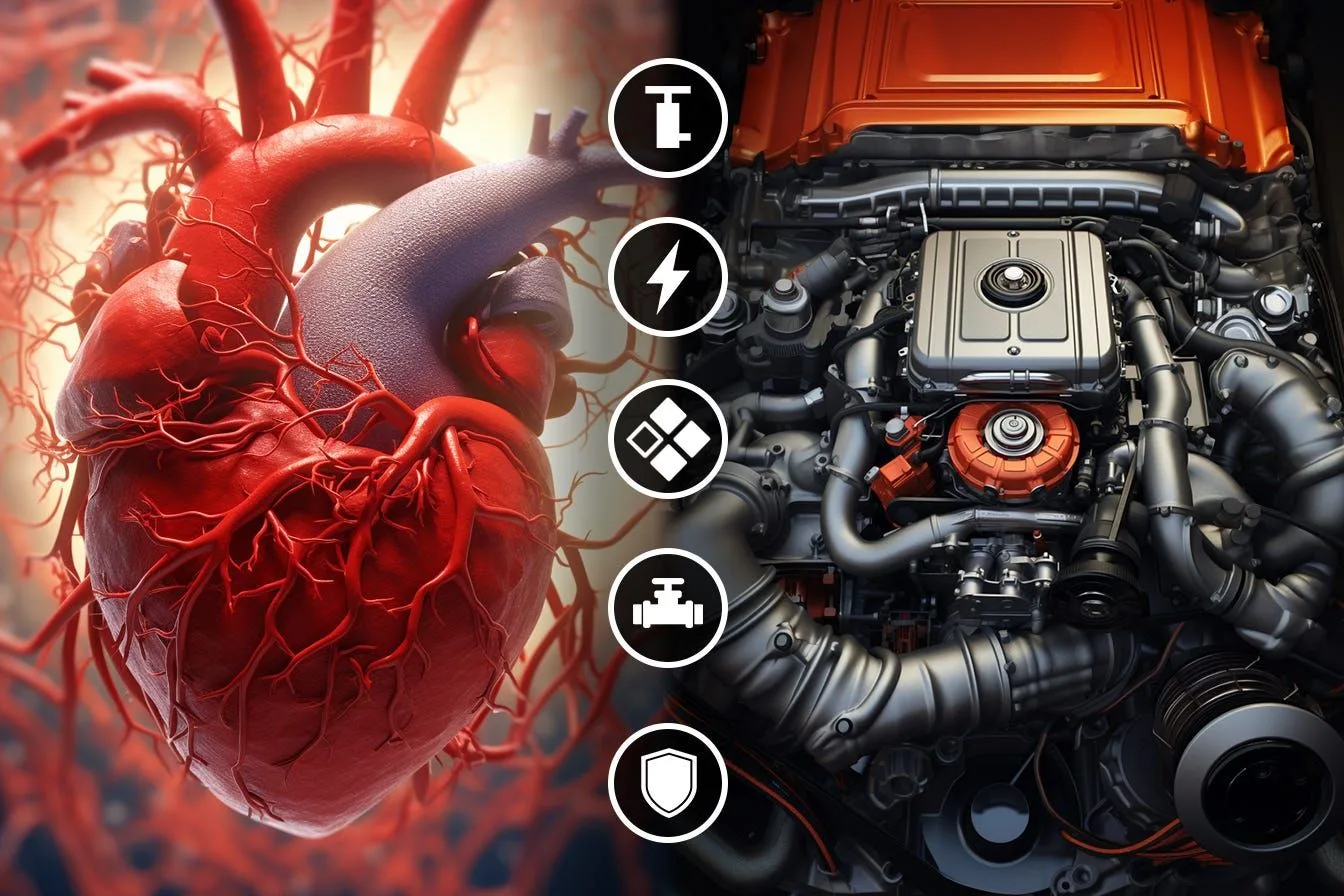
- Both hearts and engines act like pumps.
- Both hearts and engines require electricity to operate.
- Both hearts and engines have multiple chambers.
- Both hearts and engines have internal valves.
- Both hearts and engines are built to be highly robust.
Which “engine” fuels your life?
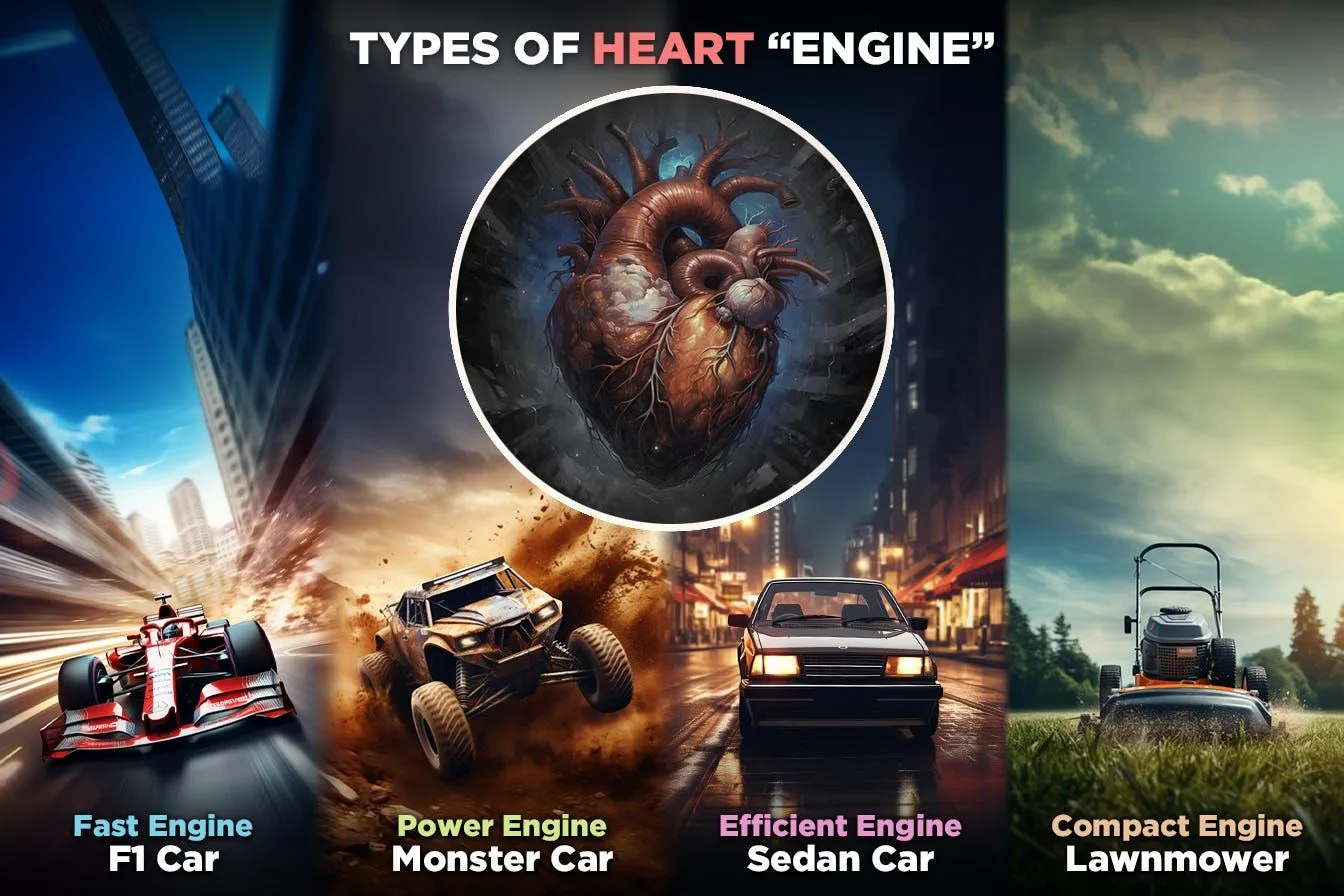
This is an important question because the type of heart (engine) you are born with determines your fitness potential and associated risks.
Imagine this.
If you are born with a heart like an F1 car engine, you might possess exceptional anaerobic capacity for speed. However, F1 engines consume a tremendous amount of fuel to provide such energy and are typically unable to sustain for long distances.
Let us compare the fuel consumption between these 2 cars below.
F1 Car: 360 km/hour (max speed), 75 litres/100km (fuel consumption)
Sedan Car: 190 km/hour (max speed), 7 litres/100km (fuel consumption)
While an F1 car can move 2x faster than a Sedan car, it also burns 10x more fuel.
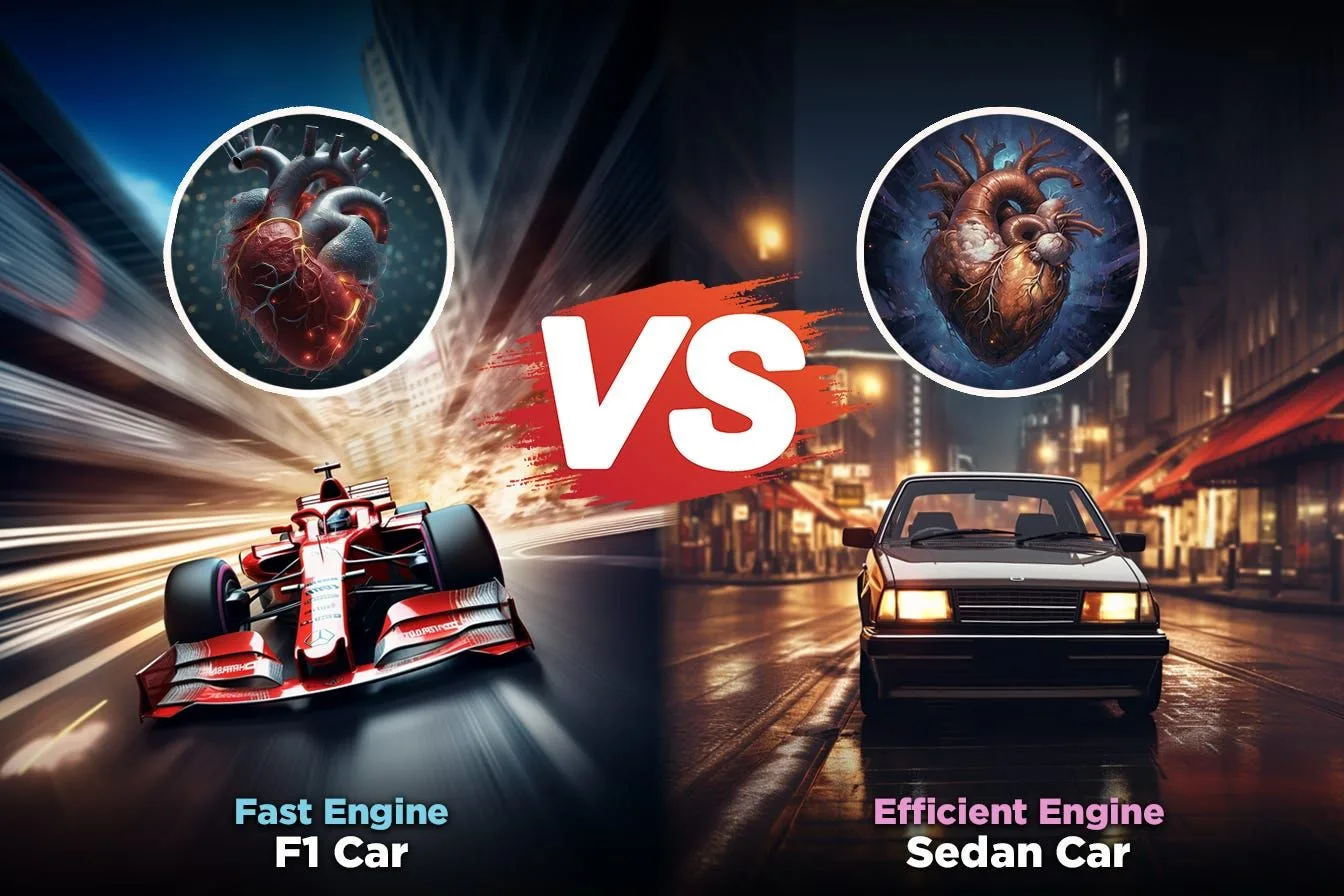
Based on this example, if we were to push the F1 car to drive long distances, the engine would quickly overload and burn out. In a biological context, it also means we suffer a Heart Attack, or a Cardiac Arrest.
Heart Attack Or Cardiac Arrest?
90% of people can survive a heart attack. However, less than 10% of people can survive a sudden cardiac arrest.
To be clear, a heart attack is not the same as a cardiac arrest.
Even though many people use these 2 terms interchangeably, that is medically incorrect.
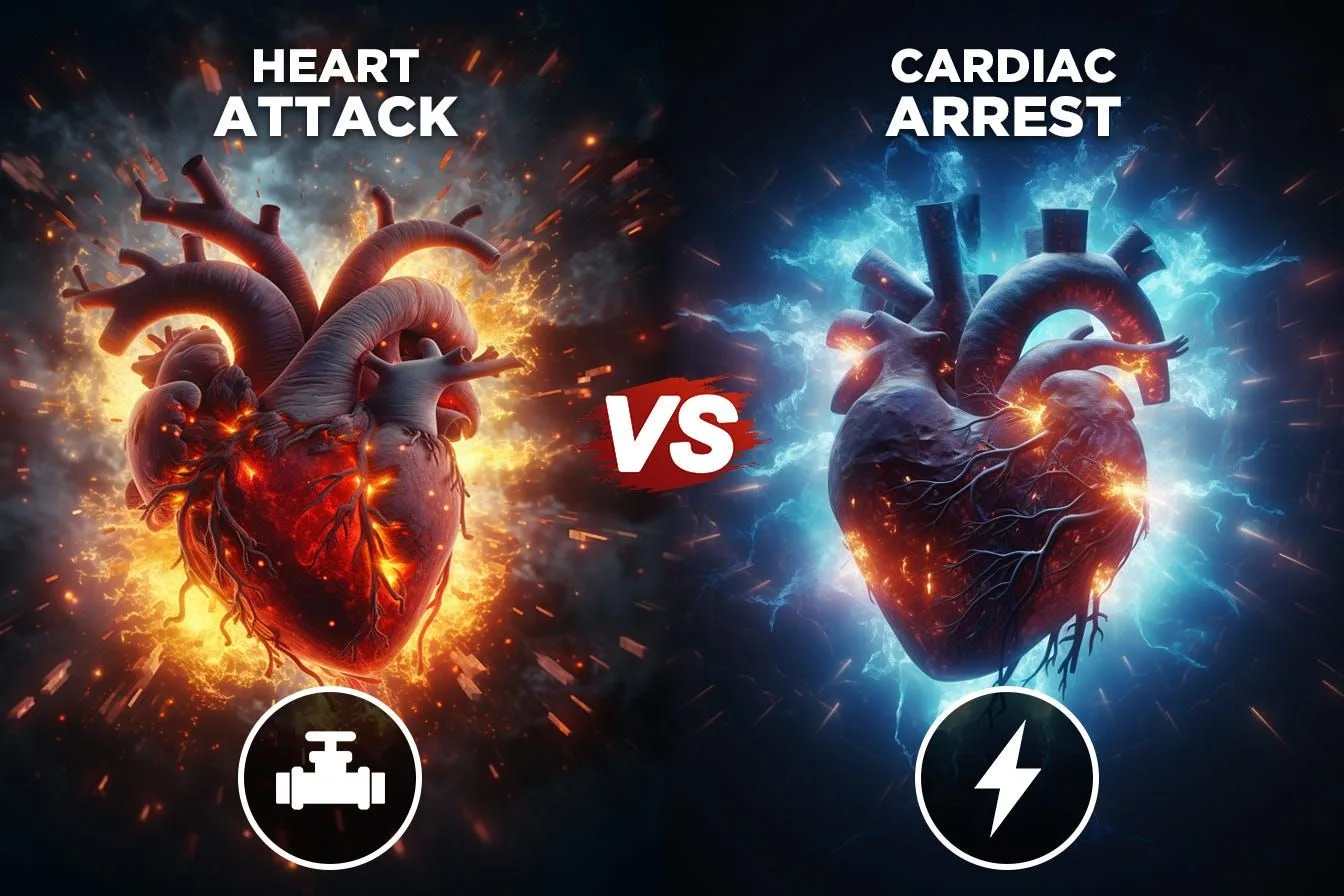
Heart Attack occurs when there is a “plumbing” problem with your heart.
Just as dirt and grease can accumulate in a car engine and cause it to fail, our hearts can accumulate fat and cholesterol inside our arteries that blocks out blood supply. When this happens, a heart attack (also known as myocardial infarction) occurs.
Cardiac Arrest, however, stems from an “electrical” problem.
Similar to how a car requires an electrical spark to jumpstart the engine, our heart requires electrical impulses to trigger and regulate our heartbeats. But when our electrical system malfunctions, abnormal heart rhythms can occur, leading to a cardiac arrest.

Indeed, a cardiac arrest is one of the most deadly problems facing society today. It can happen suddenly, and often with no obvious warning.
To avoid this, many fitness enthusiasts turn to specialised training that tracks their “heart rate” within specific “zones” to reduce their risk.
However.
Heart Rate Tracking Isn’t Enough
Heart rate training is personalized according to individual vitals like age and gender to ensure that every workout is safe, efficient and effective.
Modern heart rate zone training has gained popularity as a means to monitor and improve cardiovascular health. Many fitness professionals train their clients against a chart of heart rate zones, worked out from a maximum heart rate of 220 minus your age.
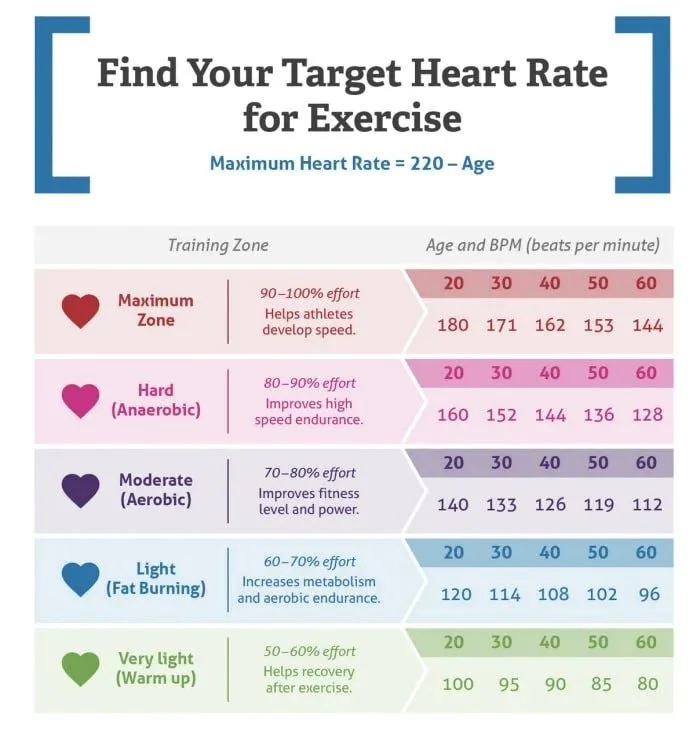
However, relying solely on heart rate zone training may not provide sufficient protection against the risk of heart failure. For some, it can even be dangerous.
Why?
Because heart rate zone training focuses primarily on heart rate during exercise. It does not consider the “electrical” and “blood pressure” component of our heart.
Many believe that by following training zones, they are taking adequate steps to protect their hearts. Unfortunately, this false sense of security can be dangerous as individuals with underlying heart conditions or genetic predispositions may not seek preventive screenings before embarking on a high intensity training plan.
Overtraining from a high intensity training plan, without a comprehensive understanding of their heart’s condition, can then lead to heart tissue scarring.
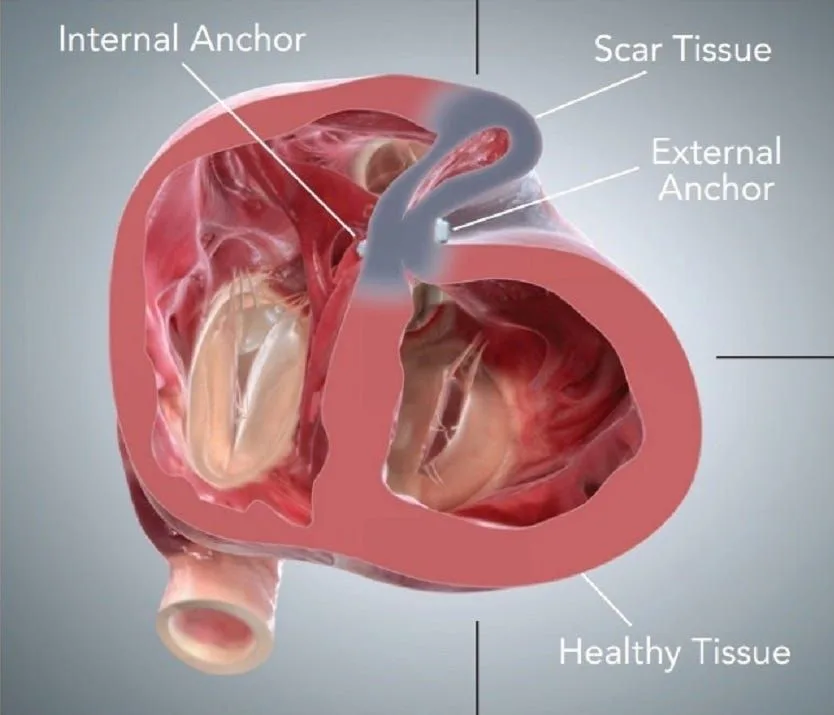
Once formed, these scar tissues persist for life, reducing our heart’s ability to pump blood. People who develop larger scars then run a higher risk of heart failure.
The accumulation of such cardiac risk is hidden, a walking time bomb.
So, what is the solution?
Unlock Your Heart’s Makeup
Up to 80% of your athletic potential is from genetics. Your genes govern your sports performance and your risks.
In recent years, the field of genetic research has made significant strides in understanding the intricate makeup of our hearts. This emerging area of study allows us to find individual risk factors, potential vulnerabilities, and how our genetic predispositions can influence our heart health.
Unlocking the genetic makeup of our heart therefore presents a promising opportunity to control our Genetic Multiplier for exercise potential, and the risks associated with it.
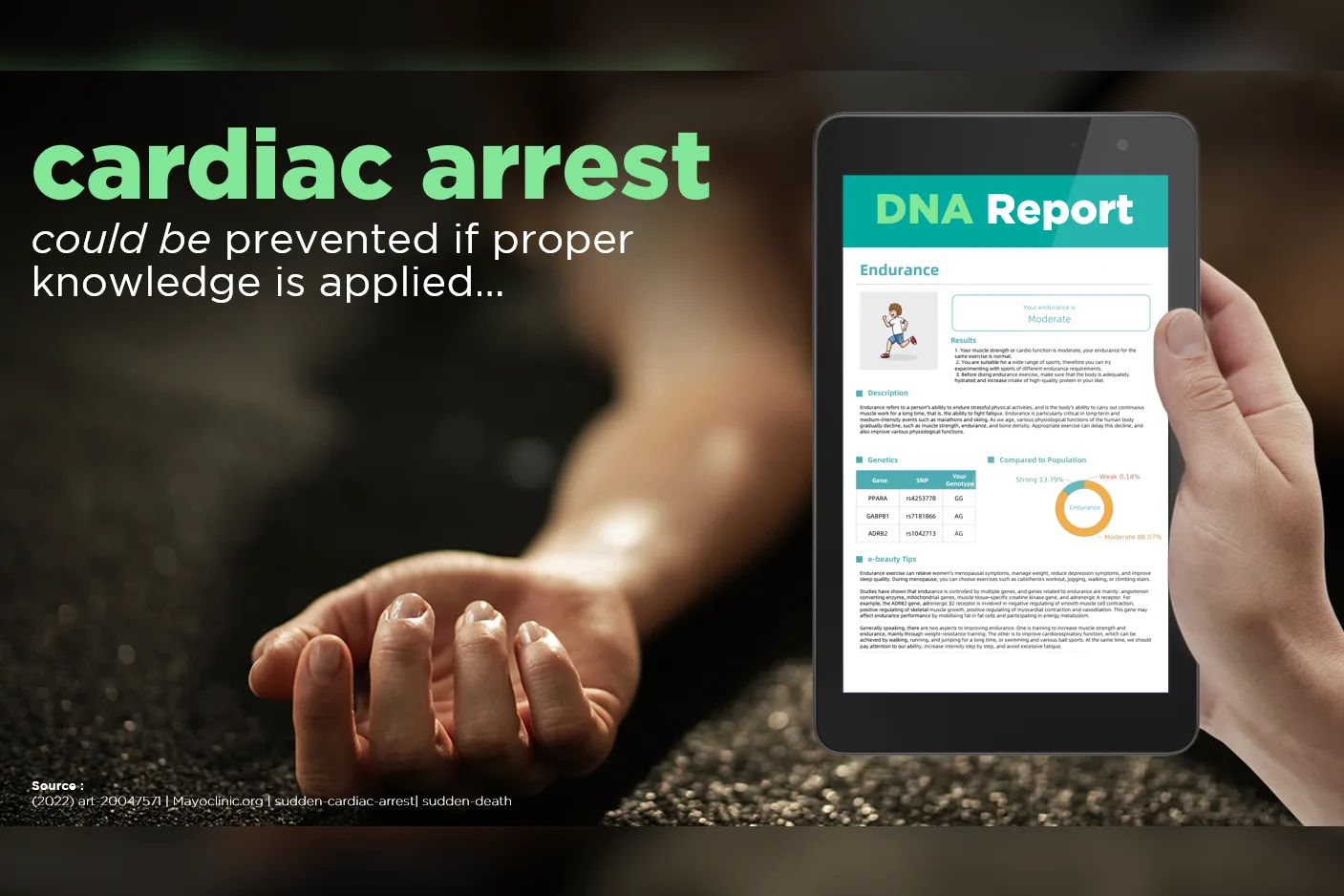
For individuals with higher genetic risk, these insights can lead to early intervention on hidden issues before they can become critical.
Moreover, our genes can reveal how our bodies react to various forms of exercises, our ideal training intensity, and the risk of overtraining. These genetic insights can grant us the opportunity for personalised exercise plans, allowing us to fine-tune our workout routines that aligns with our unique genetic profile.

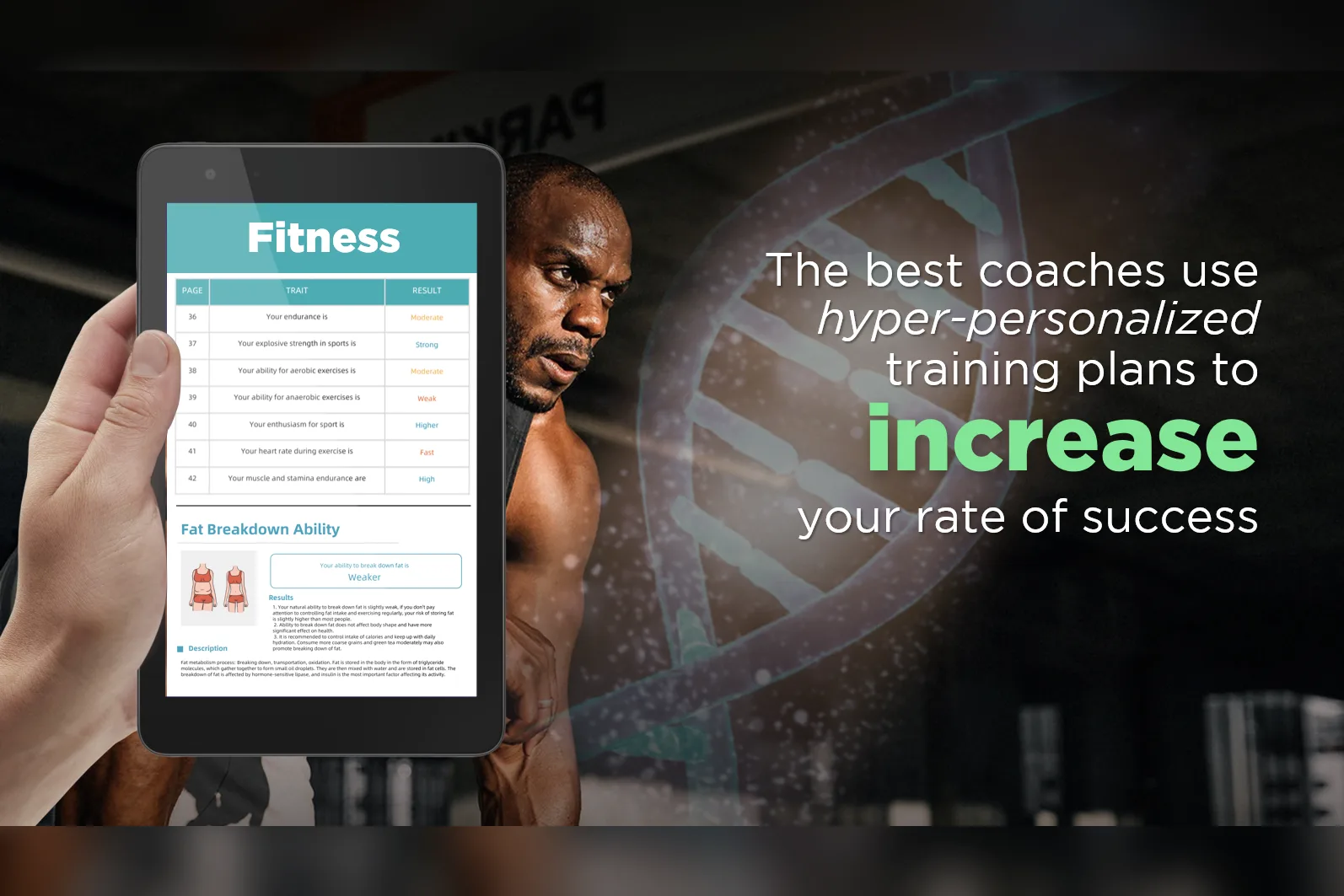
Indeed, I firmly believe that integrating genetic insights into fitness regimens represents the future of sports training and takes a more holistic approach toward our overall well-being.
Nonetheless, it is also important to add that genetic coaching should be done with accredited fitness coaches to ensure the most positive outcome for your health and fitness goals.
In conclusion, let us.
Embrace A More Heartening Future
We only have one heart and one life. Our future depends on our actions today.
Remember that your heart is the most vital organ in your body. Just as regular car maintenance prolongs the life of your car, consistently caring for your heart will help prolong your life.
While heart rate zone training and genetic testing offer valuable insights for that, they are fundamentally just pieces of a larger puzzle.
The overall well-being of your heart depends on regular exercise, balanced diet, and proper stress management.
With the right approach, you can reduce the risk of heart failure and sudden cardiac arrest, enhance your exercise performance, and achieve your fitness goals safer, and faster.
So, take that first step towards a healthier heart today, and let your genetic insights guide you towards a brighter, heart-healthy future!
Sources
- Why do fit runners suddenly die while running marathons (RunSociety, 2022)
- How the body regulates scar tissue growth after heart attacks (UCLA Health, 2020)
- Is athletic performance determined by genetics? (MedlinePlus, National Library of Medicine, 2022)
Endurance and recovery are two of the traits the Bio-Profile reads, and a Bio-Plan is where a trained partner turns them into a programme.